
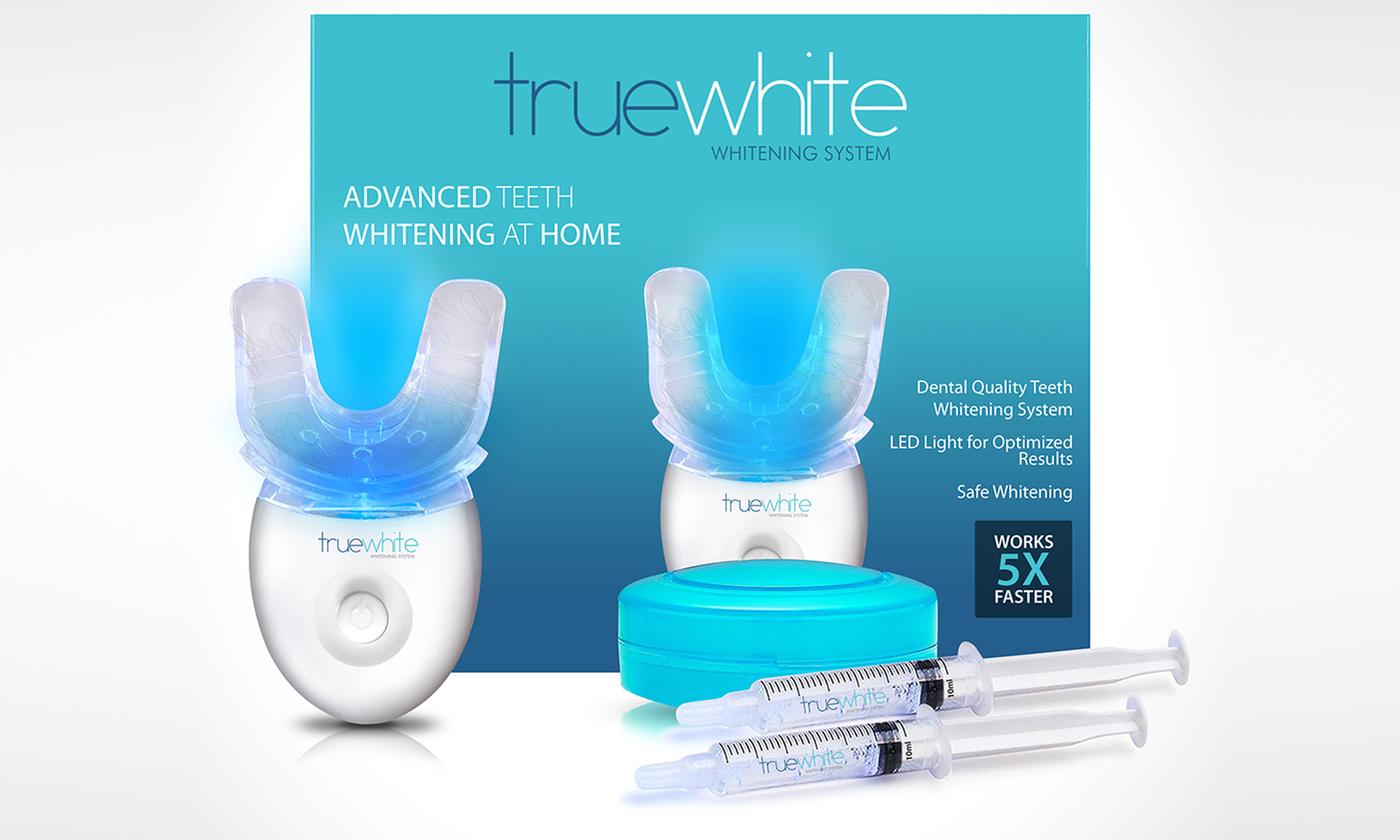
Desire A Brighter Smile Without The Uncertainty?
The brand-new study is also concentrated on maximizing lightening procedures to minimize tooth sensitivity and to boost the perseverance of the lightening. When it involves getting a brighter smile, you could be lured to try do-it-yourself (DO IT YOURSELF) teeth lightening methods at home. Over-the-counter (OTC) bleaching strips and gels, along with natural lightening approaches such as baking soft drink or triggered charcoal, are preferred alternatives for those wanting a quick repair. These choices are usually practical and cost-effective, but they can feature a few drawbacks. Do it yourself approaches might not deliver the dramatic results you're expecting, and if not made use of correctly, they can cause tooth sensitivity or even enamel damage. Teeth whitening uses bleaching representatives to eliminate spots and discoloration from the enamel.Follow Directions
The process provides outcomes visible after one session because it works quicker. Yet unlike other tissues in your body, enamel can not regenerate. That's why lots of people fret that lightening may deteriorate or deteriorate enamel with time.- The brief solution is no-- when done properly, whitening does not damage your teeth.These bleaches damage spots into smaller sized items, that makes the shade much less focused and your teeth brighter.Daily use may result in enamel wear, which can create long-term damage to your teeth.Appropriately provided teeth whitening treatments do not harm tooth enamel.
Does enamel expand back after lightening?
As soon as enamel is deteriorated, it does not expand back. So, knowing if it is harmed by bleaching treatments is very important.